Coaching for excessive phone use: Richard van der Horst
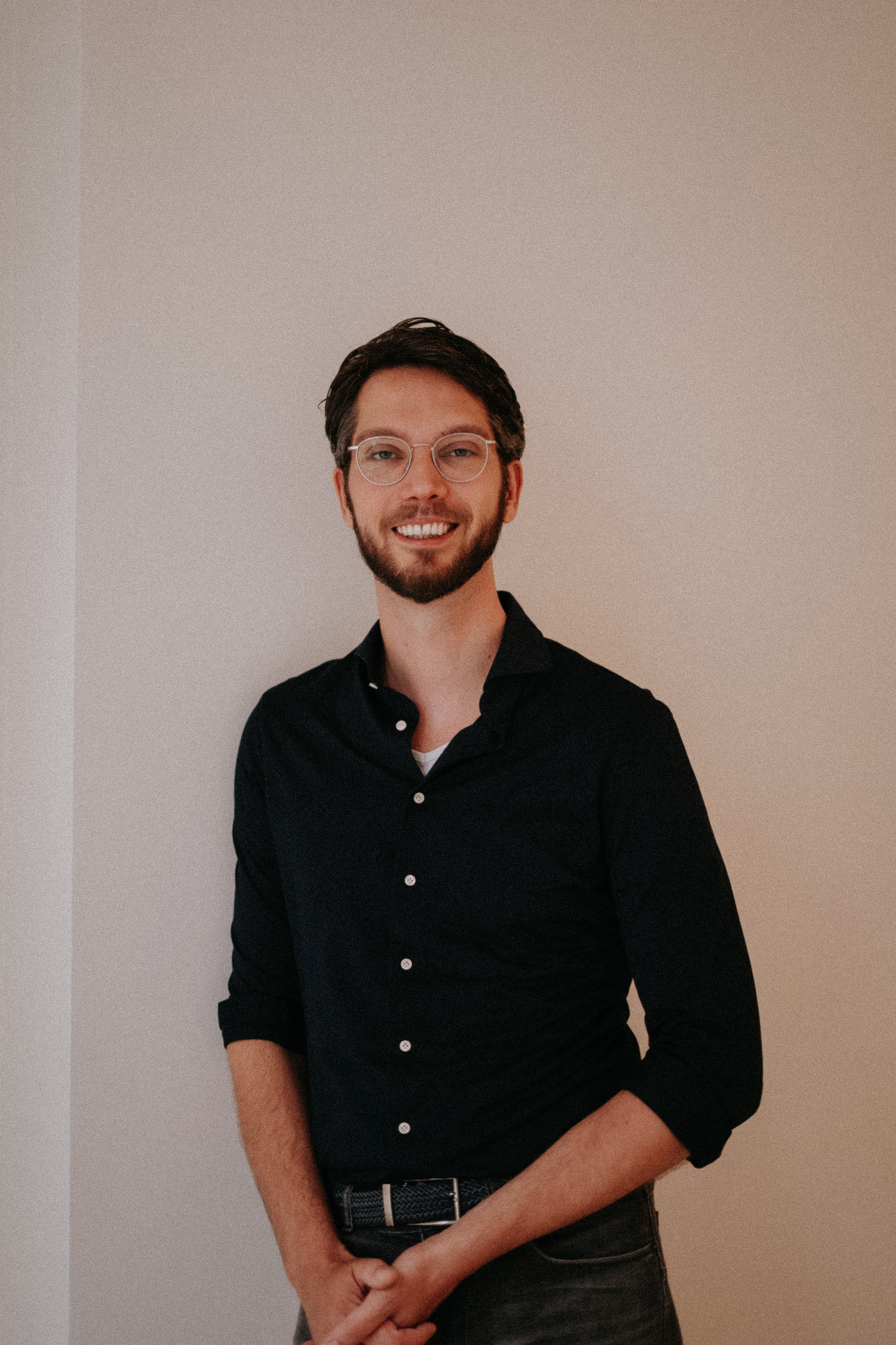 Richard van der HorstPractitioner · mindfulness coach and life coach
- ESEmilie SporreInterviewer · psychologist (basispsycholoog) and interviewer
In coaching for excessive phone use, Richard van der Horst of Luisternaarme guides people facing digital distraction and lack of time by exploring how they want to use their reclaimed attention.
Read the interview · 8 min readFor Richard, reducing phone use is not an end in itself. It is about having time and attention for what someone truly values.
Richard van der Horst is a mindfulness coach and life coach in Utrecht. At Luisternaarme, he guides people who want to reach for their smartphones less automatically. Speaking with psychologist (basispsycholoog) and interviewer Emilie Sporre, he discusses attention, lack of time, relationships and an approach without a fixed black-and-white rule.
In 30 seconds
- Who
- Richard van der Horst is a mindfulness coach, life coach and expert by experience in digital habits, attention and availability at Luisternaarme in Utrecht.
- Registration
- Richard is not BIG-registered and does not use a protected healthcare title. His coaching complements rather than replaces care from a GP or specialist.
- Who it is for
- He mainly works with people who have jobs, feel short of time, frequently reach for their phones and want more space for family, relationships, exercise, creativity or rest.
- Approach
- Together, they explore where the person’s attention goes, what they want to do with the time they free up and how they can explain changed digital habits to others.
- Related context
- The Trimbos Institute describes digital balance as a matter not only of duration, but also of what someone does online and which important activities this displaces.
- His central point
- “The best thing is when people simply have a bit more time for their personal relationships.”
Who is Richard van der Horst?
Richard van der Horst works at Luisternaarme as a mindfulness coach and life coach, focusing on digital habits, attention and availability. He calls himself an expert by experience: according to his biography, he has lived without social media and personal WhatsApp for six years. Sessions take place in person in a quiet room in Utrecht’s historic Muntgebouw.
Richard is not a BIG-registered healthcare provider, works alongside rather than instead of the GP or specialist, and does not use a protected healthcare title. There is no independent disciplinary route; the first route for a complaint is the practice itself.
His interest arose partly from personal experience. Richard says that he experienced burnout about twelve years ago, spent a year largely indoors, and played video games and watched YouTube. He says he then sought good help. Later, during a moment with his current wife, he noticed that he kept scrolling even though he wanted to be present with her.
The question is what you want to do with your attention
Richard does not reduce screen time to a single number. His starting point is for someone first to look at where their time and attention currently go, then name what they want more room for. He mentions cooking, exercise, starting a business, family life and hobbies as possible examples, not prescribed goals.
This aligns with the Trimbos Institute’s description of digital balance: it is not only time spent looking at a screen that matters, but also what someone does digitally and whether other important activities suffer as a result. The right balance differs from person to person.
This coaching is complementary to conventional care, not opposed to it.
Could you briefly tell us about the work you do?
“I help people who essentially get lost in all those distractions, particularly the smartphone.”
Richard van der HorstHabits easily creep into a busy day
Richard mainly sees people who have jobs and family responsibilities and want to do other things, but feel they cannot find the time. The smartphone is hardly an unusual object: in 2025, 95.5 per cent of the Dutch population aged 12 and over used a mobile phone or smartphone for online activities.
That figure says nothing about problematic use. It does show how commonplace the device is. According to Richard, small moments easily fill up with messages, group chats or scrolling. He says parents also come to him wondering what example they want to set for their children.
So what ultimately brings people to you for help?
“It is mainly people who have jobs and also want to do other things, but cannot find the time. They are busy with family and children who are growing up. They also want to set a good example for them.”
Richard van der HorstA client’s own choice to spend weekends without Wi-Fi
Richard describes a client who, in his view, was already well into burnout and could not find rest anywhere. According to his account, during their contact she was shocked by the time going to social media and less important responses. She chose to unplug the modem at weekends and have no Wi-Fi at home.
After making that choice, Richard says she went out more often, did other things and found more rest. He calls the step extreme, says it did give her peace, stresses that it was her own idea and says he would not recommend it to everyone. The change occurred while she was working with him; no cause-and-effect relationship can be established from this.
Could you give an example of someone who eventually came to you and whom you ultimately really helped?
“In the end, she did it. At weekends, she unplugged the modem. Just no Wi-Fi at home. Well, that is really quite extreme, but it did give her peace. I would not recommend it to everyone. She came up with it herself, and it helped her a lot, because she started going out much more. Doing other things, finding more rest.”
Richard van der HorstThis is reported practice experience from one individual account, not controlled research and not a typical or expected outcome. It offers no guarantee. If you have burnout, severe stress or other health concerns, keep your GP or care professional involved.
The building blocks Richard identifies in his answers
Richard does not describe a fixed protocol or mandatory sequence. His answers do reveal recurring elements: making visible where attention goes, deciding what someone wants to do with freed-up time, choosing other ways to stay in touch and explaining why a change matters.
Giving up WhatsApp completely is not the prescribed endpoint. It is Richard’s personal choice. He himself calls, sends text messages and actively goes to see friends. He says that letting go of one means of communication sometimes also asks other people to adapt. That is why an honest explanation is part of the change.
In conversations about phone use, he chooses to speak from the perspective of the contact someone wants rather than only blaming the other person. He also stresses that responsible use does not mean the same thing in every situation. At an open workshop, he reassured a young mother that her question about using her phone while feeding her baby could not be answered with one general black-and-white rule.
“Suppose you spend four hours a day on your smartphone. Try taking an hour off that. And what could you achieve with it?”
Richard van der HorstThis article is based on one recorded 10-minute conversation between Emilie Sporre and Richard van der Horst on 18 November 2026. The interview was conducted in Dutch; quoted statements have been translated from the Dutch transcript, with only light removal of filler words. Paraphrases appear outside quotation marks as indirect speech. External statistics and source references were added afterwards and checked against the listed sources. The outcomes described are reported practice experience, not research findings.
How Richard protects his own calm and attention
Richard sets aside short periods for himself at the beginning and end of the day. In the morning, he considers what he truly wants to do. At the end of the day, he writes down what he is grateful for, what went well and what did not. He deliberately keeps it to a few questions and schedules breaks in between.
He says that this space helps him manage perfectionism and plan his day with greater focus.
What is one way you maintain balance?
“At the end of the day, I write down: what am I grateful for? What went well? What did not go well? Nothing too big, not hundreds of questions, just three or so. And if you keep doing that, it gives me a great deal of calm. And taking enough breaks in between, too.”
Richard van der HorstIs this coaching right for you?
This coaching may fit if you notice that your attention often goes to your smartphone and you want to explore in practical terms what you would like to do differently. You do not have to start by deleting all social media or WhatsApp. Richard’s own choices are examples, not an entry requirement or standard advice.
For an initial exploration, you can view Richard’s Carefinder profile and request a free, no-obligation introductory conversation. Information about Luisternaarme and its published fees is also available on the practice website.
Get in touch with Richard van der Horst
mindfulness coach and life coach, Utrecht
Richard van der Horst is an experiential expert and coach in the field of digital habits, attention, and accessibility. He has lived without social media and personal WhatsApp for six years. From that experience, a deepening over many years arose in the question of how to use your phone more consciously, without remaining dependent on blocks, app timers, and other temporary solutions. Richard guides people who notice their attention is fragmented, who reach for their phone more often than they want, or who want to make more time for rest, reading, creativity, exercise, and the people around them. His approach is practical, personal, and non-judgmental. The focus is not on the phone, but on the life to which you want to give your time and attention. The conversations take place in a quiet room in the monumental Muntgebouw in Utrecht.
Works alongside and not instead of your GP, psychologist or specialist.
- excessive phone use
- digital distraction
Frequently asked questions
Can Richard van der Horst help me spend less time on my phone?
Richard guides people who want to reach for their smartphones less automatically and make more time for relationships, family, exercise, creativity, hobbies or rest. He explores where their attention currently goes and what they want to reclaim space for. He does not promise a specific reduction in screen time.
Do I have to stop using WhatsApp or social media?
No. Giving up personal WhatsApp and social media is Richard’s own choice, not a general requirement. Without imposing a black-and-white rule, he considers what suits the person, which digital activities displace other priorities and which alternatives for staying in touch are practical.
Is coaching for phone use the same as therapy?
No. Richard offers coaching on digital habits, attention and availability. He does not diagnose, and his work does not replace medical or psychological care. In cases of severe exhaustion, limitations in daily functioning or suspected burnout, the GP remains the appropriate route.
Does this coaching replace my GP or specialist?
No. The coaching complements rather than replaces the GP or specialist. Keep your GP or care professional involved if you have health concerns.
Is Richard van der Horst BIG-registered?
No. Richard van der Horst is not BIG-registered and does not use a protected healthcare title. He works as a mindfulness coach and life coach and presents his experience with digital habits as expertise gained through experience, not as medical authority.
Where can I make a complaint about Richard van der Horst?
There is no independent disciplinary route through BIG, RBCZ or SKJ. The first route for a complaint is therefore the practice itself. Raise the complaint directly with Luisternaarme.
Who is Richard van der Horst’s practice for?
The practice is for people who recognise digital distraction, feel short of time and want to make more conscious choices about where they direct their attention. Richard mainly mentions people who have jobs, parents and those who want more room for important relationships or activities.
Where does the coaching take place, and is there a free introduction?
Sessions take place in person at the Muntgebouw in Utrecht. Luisternaarme offers a short, free, no-obligation introductory conversation to discuss the situation and the person’s needs. Fees are listed on the practice website.
About this conversation
Richard van der Horst
Richard van der Horst works at Luisternaarme in Utrecht, focusing on digital habits, attention and availability. His expertise by experience is based partly on his own life without social media and personal WhatsApp.
Emilie Sporre
Emilie Sporre is a psychologist (basispsycholoog) and co-founder of Stories. She interviewed Richard about his way of working, the people he works with, his personal motivation and experiences from his practice.
Medical disclaimer
This article is informative and not medical advice. If you have complaints, contact your GP or specialist. It is not a replacement for diagnosis or treatment in regular care.
About Carefinder
Carefinder matches people with verified psychologists and therapists in the Netherlands. We do not treat; we help you find the right care provider. Carefinder is an initiative of Stories.
Sources · 2 references
Full transcript of the conversation
Select a time to play the video from that moment.
Nou, maar heel fijn en leuk dat we jou wat vragen mogen stellen.
Allereerst ben ik benieuwd.
Dat staat eventjes los van het inhoudelijk werk wat je doet,
maar wat een manier is voor jou.
Nou, dat sluit misschien helemaal aan ook bij het vak wat je uiteindelijk doet,
maar wat een manier is voor jou om ook in balans te blijven.
Zodat je uiteindelijk ook vol energie ook
jouw, jouw werk kunt delen met anderen of anderen kunt helpen.
Ja, ja. Kijk, wat ik veel doe is
eigenlijk aan het eind van de dag en ook aan het begin van de dag.
Dat zijn gewoon vaste momenten dat ik echt helemaal op mezelf ben.
En nou mijn zoontje is is drie,
dus ik sta inmiddels wat vroeger op om echt dat moment ook te hebben.
Maar ja, dan kijk ik even.
Hoe ziet mijn dag eruit?
Wat wil ik eigenlijk gaan doen?
En aan het eind van de dag schrijf ik op.
Waar ben ik dankbaar voor?
Wat? Wat is gelukt? Wat is niet gelukt?
Niet te groot, niet honderden vragen,
maar gewoon even drietal vraagjes.
En dan, ja, als je dat blijft doen.
Dat geeft me een hele hoop, hoop,
rust ook. En ja, ook voldoende pauzes nemen tussendoor.
Vroeger was ik wel een perfectionist,
nou misschien nog wel een beetje,
maar dat heb ik mee leren leren dealen.
Dus ja, vooral kijken naar dankbaarheid en echt plannen van he wat?
Wat wil ik nou echt bereiken op een dag?
Mooi. Klinkt alsof je echt heel veel regie neemt over de dag als ik het zo hoor.
Zeker. Nou gaan we meteen denk ik even naar
wat jouw werk is. Kan je iets kort vertellen over het werk wat je doet?
Ja dus. Ik help mensen die eigenlijk verdwalen in al die
afleidingen en dan met name de smartphone.
Eigenlijk een hele gekke naam ook,
de smartphone. De fatbike vind ik veel beter bedacht,
want dan weet je precies wat ermee aan de hand is.
Maar ja, van de smartphone word je niet per se slimmer,
want je wordt de hele tijd door afgeleid met met allemaal dingen bezig die
ja er nu niet zijn, maar wel je aandacht vragen.
Nou, daar help ik mensen bij om.
Nou, stel dat je vier uur per dag op je smartphone zit.
Haal er eens een uurtje vanaf.
En wat kan je daarmee bereiken?
En genoeg mensen willen heel graag lekker koken,
sporten, een bedrijf starten, gezin stichten.
Geen idee. Allerlei dingen.
Maar ze doen het niet.
Want ja, ik heb geen tijd.
Nou, we hebben allemaal 00.00u in een dag
en uiteindelijk ja, we gooien die tijd weg aan,
nou ja, 4.00u dus op de smartphone en misschien wel meer.
Dus daar help ik ze bij.
Mooi. Ja en wat is voor jou de reden geweest dat je dit werk bent gaan doen?
Ja. Ja. Leuke vraag
eigenlijk. Net als heel veel mensen die starten in therapie,
coaching of psychologie heb ik helemaal geleden een burn-out gehad.
Zo'n twaalf jaar geleden.
En toen had ik zoiets van heen toen ik daarvan hersteld was.
Daar wil ik ook anderen mee helpen.
Maar daarvoor zat echt een periode van een jaar
dat ik binnen zat achter gordijnen zoals dit,
maar dan wat donkerder.
De hele dag gamen en YouTube kijken en dat soort dingen.
En ja, ik wou het niet oplossen.
Ik zat helemaal in zo'n isolement,
dus ik dacht nou, daar wil ik mensen mee helpen.
Uiteindelijk dus ook goede hulp gezocht en daar uitgekomen.
Toen ben ik het werkende leven ingerold en dat soort dingen.
Niet echt de ruimte genomen om voor mezelf te starten.
Uiteindelijk ben ik dat dus wel gaan doen.
En daarvoor zat een periode dat ik merkte aan mezelf
dat ik gewoon te afgeleid was.
Dus ik was bijvoorbeeld in de in de kroeg met mijn huidige vrouw
en toen nog niet. Maar nou, dat is wel zo gekomen natuurlijk.
Maar ik was daar zo aan het scrollen zoals heel veel mensen doen,
terwijl wij gewoon een mooi moment samen hadden.
En toen dacht ik weet je wat, daar ga ik mee kappen.
Ik wil gewoon mijn aandacht terug voor
wat belangrijk is. Nou, de volgende dag vond ik dat nog steeds een goed idee.
Toen ben ik het ook gaan doen.
Allemaal mensen een bericht gestuurd van joh,
hier ga ik mee stoppen.
Persoonlijke WhatsApp.
Dan krijg je sowieso hele leuke reacties van hey,
ben je gehacked, phishing of ben je niet goed wijs.
En nou dat doorgetrokken.
En toen is het een beetje gaan groeien dat mensen mij ook om
advies gingen vragen van hey, hoe doe je dat eigenlijk?
Hoe pak je dat aan? En word je dan niet vergeten?
En nou ja, al die dingen waarvan we denken dat het zo is,
maar valt eigenlijk best mee.
Nee. Ja, mooi dat je dat zegt,
want ik kan me voorstellen en misschien kan je daar iets over vertellen.
Dat dat mensen dan altijd denken van:
oh, maar wat als ik dit stop?
Wat betekent dat dan in mijn contact ten opzichte van anderen?
Of ga ik niks missen?
Of word ik niet juist te veel op mezelf?
Waar blijft dan de verbinding met anderen?
Maar hoe? Waarom? Eigenlijk.
Mijn vraag is waarom is het zo moeilijk voor mensen om hiermee te stoppen?
Ja. Ja, dat is ook omdat we er heel veel tijd in in steken.
Dus we kunnen nou misschien wel een halve dag spenderen op WhatsApp.
Reageren op dingen. Groepsapps.
Nou, je weet genoeg goed hoe dat werkt natuurlijk.
Iedereen zit er wel op en je kan je gewoon niet voorstellen dat het ook anders kan.
Maar genoeg mensen zijn opgegroeid,
ook zonder en dat heeft ook veel voordelen en dat soort zaken.
Maar er zijn ook nog andere manieren om contact te leggen.
Je kan als je het fijn vindt kan je mailen.
Je kan bellen. Dat kan natuurlijk ook nog met de telefoon.
Ik gebruik dus zelf wel sms.
Wat heel grappig is, want ik krijg daarmee heel veel aandacht.
Want mensen hebben zoiets van hey,
is dat de dokter die een afspraak wil bevestigen?
Of de tandarts of zo?
Nou ja, ben ik het dus.
Kijk, ik ga wel veel naar buiten toe.
Letterlijk en figuurlijk.
Want ja, ik zit dus niet in de groepsapps en dat soort dingen.
Nou heb ik wel vriendengroepen,
maar ja, dan ga ik naar ze toe.
Of dan stuur ik een belletje of een sms'je of wat dan ook.
Dus ik moet wel in de picture blijven.
Maar goed, ik vind dat belangrijk.
Ik vind dat belangrijke relaties.
Ik wil graag met hun zijn, dus dan
steek ik daar wat meer tijd in.
Aan de andere kant, het is ook een beetje egoïstisch,
want ik vraag aan hun joh, wil jij je aanpassen aan mij?
Maar goed, dat heb je dan ook wel goed uit te leggen.
Dus dat is ook heel belangrijk.
Waarom wil je dat? Ja, en kan dat?
Wees ook zo stoer of een beetje egoïstisch dat je dat uit kan leggen,
want dat mag best, vind ik dan.
Ja. Ja mooi.
En is dat dan ook bijvoorbeeld het gesprek wat je dan ook aangaat met de mensen
van hoe vind je dit?
Dat ik nu bijvoorbeeld gestopt ben met WhatsApp?
Ja precies. En ook heel erg bij jezelf blijven.
Waarom vind je dat zo?
Zo prettig? Of als je merkt dat je met een ander
in gesprek bent? Of je probeert dat en het lukt niet,
want dat scherm zit ertussen.
Ja, dan weet je echt elke vezel in je lijf.
Die schreeuwt luister nou eens naar me.
Maar dat gebeurt dan niet.
En dan kan je natuurlijk zeggen van joh,
jij zit altijd op die telefoon
en het ligt aan jou.
Dan heb je meteen een discussie en een ellende.
Maar je kan ook zeggen joh, ik vind jou een leuk persoon.
Ik wil graag met jou dit gesprek aangaan,
want dan nou leuk, gezellig, maar ik merk dat er iets tussen zit.
Kunnen we daar wat aan doen?
Nou ja, en dan heb je al een veel betere boodschap.
Maar je zal dat wel wat vaker uit moeten leggen.
Want ja, de maatschappij die die is niet zo.
En wat vind je uiteindelijk het mooiste aan dit werk wat je doet?
Ja, het mooiste is als mensen gewoon wat meer tijd hebben
voor hun persoonlijke relatie.
Vind ik heel, heel belangrijk.
Ik ben echt wel een beetje een gezinsman wat dat betreft.
Kijk, voor mensen die daar niet zo mee bezig zijn,
denk ik dat het ook heel prettig is dat ze ook merken dat er
andere mooie dingen zijn om te doen.
We zijn het vergeten, maar er zijn superveel hobby's die je kan oppakken.
Legobouwen is natuurlijk heel leuk.
Ik zit ook veel in de trein en zie ik tegenwoordig ook een hoop mensen haken
en dat soort dingen.
Ja, dat geeft je een hele hoop rust.
Een hele hoop ruimte, want we willen heel veel stoppen in zo'n zelfde moment.
Al die gaat op een dag maar opvullen met van alles en nog wat.
Ja, en aan het eind van de dag ben je helemaal moe en een beetje
overspannen. Ja, dat is niet zo gek als je nooit echt een rust rustmoment neemt.
En wie is uiteindelijk jouw doelgroep?
Dus met welke hulpvraag komen mensen uiteindelijk bij jou terecht?
Is dat mensen die zichzelf die al weet van ik ben mezelf helemaal
verloren? Of is het ook vanuit nieuwsgierigheid van dit spreekt me aan,
ik zou wat willen minderen.
Wanneer komen ze bij jou terecht?
Eigenlijk heel divers eigenlijk.
Best wel ja, verschillende soorten mensen.
Het meeste waar mensen echt naar me toe komen,
zijn mensen die tijd tekort komen.
Dat klinkt heel gek, maar bijna iedereen heeft dat.
Maar als ik kijk naar mijn eigen studententijd of schooltijd,
dan heb je eigenlijk meer dan genoeg tijd.
Je hebt alleen niet zoveel geld en dat is wel de uitdaging.
Dus het zijn vooral mensen die
werken, die ook andere dingen willen doen,
maar daar de tijd niet voor vinden.
Druk met het gezin, opgroeiende kinderen.
Daar willen ze dan ook een goed voorbeeld in geven.
Want het gaat ook vaak over kinderen en opvoeden en
opgroeien en dat soort dingen opvoeden.
Maar ja, kinderen hebben het niet van een vreemde,
dus we hebben ook naar onszelf te kijken.
Dus het zijn vaak drukke mensen die die wat meer tijd zoeken eigenlijk.
Mooi ja. En zou je een voorbeeld kunnen geven van iemand
die zich uiteindelijk bij jou heeft
aangemeld en waar je hem of haar uiteindelijk dan echt bij hebt geholpen?
En wat het voor hem heeft opgeleverd?
Ja. Jazeker. Dit was eigenlijk iemand die was al best wel
ver in eigenlijk in een burn-out ook geschoten.
Die had ook gewoon helemaal geen ja,
geen rust meer. Die kon nergens rust in,
in vinden. En nou ja,
die schrok ook van hoeveel tijd
ze nou kwijt was aan eigenlijk social media en allerlei
reageren op dingen die niet zo belangrijk zijn.
En we maakten wel eens een grapje van nou dan trek je toch gewoon de modem eruit?
Nou, uiteindelijk heeft ze dat ook gedaan.
In de weekenden heeft ze het modem eruit getrokken.
Gewoon geen wifi thuis.
Nou, dat is wel heel erg extreem,
maar dat dat gaf haar wel rust.
Ik Ik zou dat niet aan iedereen aanraden,
maar daar kwam ze zelf mee en dat heeft haar heel erg geholpen,
want toen ging ze er ook veel meer op uit.
Andere dingen doen, ja meer.
Meer rust vinden. Dus dat was echt wel heel mooi.
Mooi ja. En tot slot de laatste vraag is er een specifiek moment
van een klant of een cliënt die jij hebt geholpen
wat je echt is bijgebleven en wat je zou willen delen?
Ja, nou, dit was eigenlijk bij een
zeg maar een open workshop.
Was dat in een bibliotheek en er was een mevrouw en zij is een jonge moeder.
Kindje van een paar maanden of zo
en ze voelt zich heel erg schuldig,
want dan gaf ze voeding aan het baby'tje.
Maar ja, dat dat kan soms een tijd duren.
Ik heb er zelf persoonlijk niet de ervaring mee,
maar goed, dat kan soms wel eventjes duren
en dan verveelt zich soms ook wel een beetje.
Naast dat je natuurlijk een goede moeder zijn.
Je wilt contact met je baby.
Wie wil dat niet? Maar ja, op een gegeven moment
moet je ook wat om handen hebben.
Dus toen zat ze op de telefoon nieuws lezen of wat dan ook.
Geen idee. En zij vroeg aan mij van ja,
is dat dan erg? Ja, weet je, het is niet heel zwart wit.
Je kan natuurlijk zeggen ja, dat is helemaal fout en je moet er zijn voor je,
voor je baby. Aan de andere kant ja weet je,
als dat baby'tje ligt te slapen of zo en het lukt toch allemaal niet,
is dat dan een probleem?
Nou, dus daar hadden we het over.
Er is niet per se een zwart-wit antwoord op of zo,
maar daar kan je wel iemand helpen om gerust te stellen en daar op een
verantwoorde manier mee om te gaan.
Maar ook dat je zelf niet er aan doorgaat.
Want je kan ook wel heel erg streng zijn voor jezelf natuurlijk.
Zeker als je een klein kindje.
Je wilt het natuurlijk perfect doen,
dus ja, dat was gewoon een heel mooi moment om iemand daarin te helpen.
Dat gaat toch wel wat verder dan
schermtijd verlagen of wat dan ook.