Human Design for decision stress: Lizzy van Baaren's approach
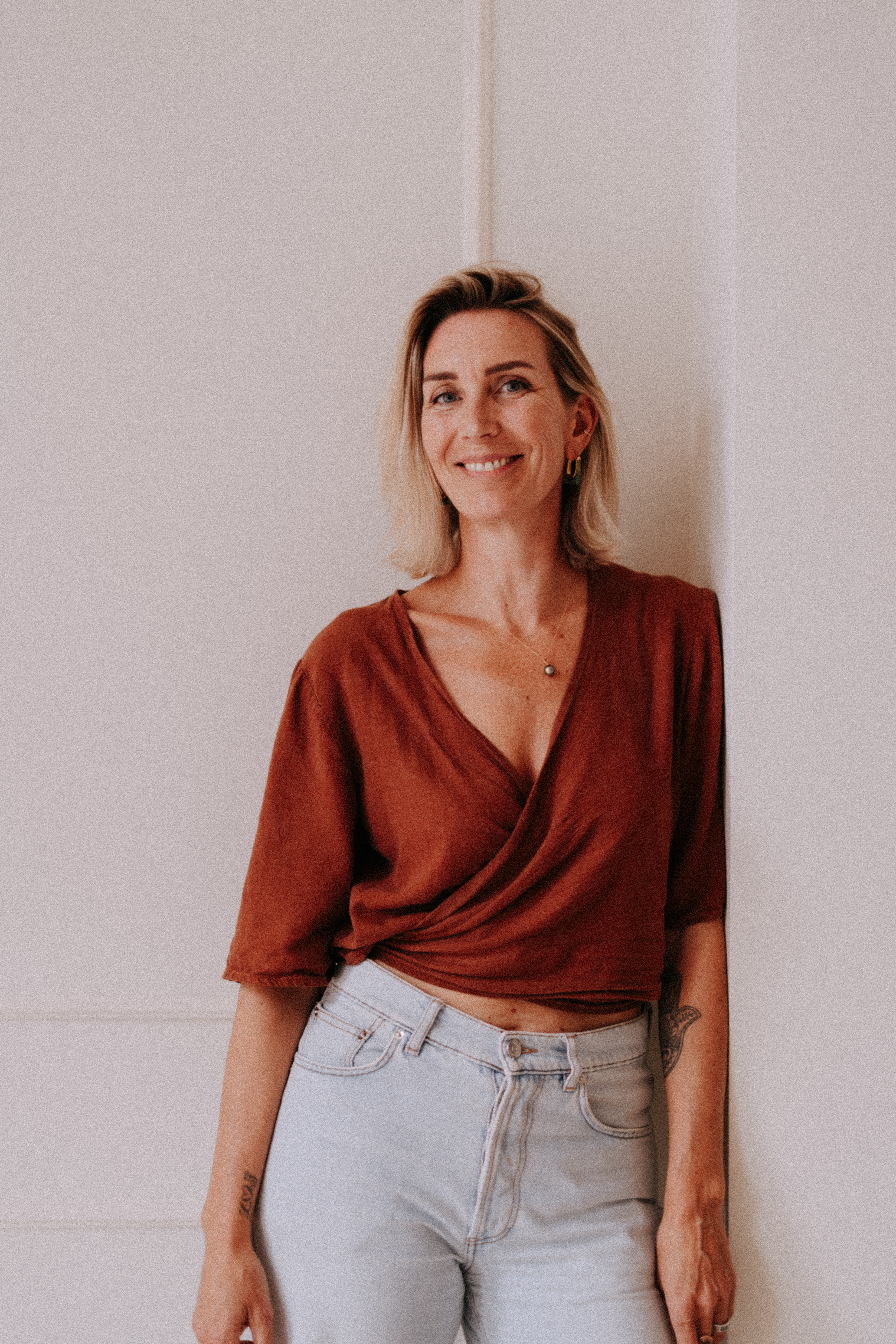 Lizzy van BaarenPractitioner · Human Design Specialist
- ESEmilie SporreInterviewer · psychologist (basispsycholoog)
Human Design for decision stress takes a practical form with Lizzy van Baaren for work choices and personal development: discussing together, recognising and testing for yourself what fits.
Read the interview · 8 min readA Human Design reading does not offer a ready-made decision here, but language for recognition and ideas you can test for yourself in daily life.
Lizzy van Baaren offers personal Human Design readings online and in The Hague. Speaking with Emilie Sporre, a basispsycholoog (a Dutch foundational psychology qualification), she explains how she discusses questions about choices, work, relationships, parenting and energy in practical terms. Her premise is not that someone should accept everything in a design, but that they explore what feels useful.
In 30 seconds
- Who
- Lizzy van Baaren offers Human Design readings online and in person in The Hague.
- Registration
- Lizzy is not BIG-registered and has no listed professional registrations.
- For whom
- Her readings are for curious people and people who want to explore personal development, work choices or decision stress.
- Approach
- She starts with the client's question and discusses relevant Human Design themes in plain, practical language.
- How it fits with care
- The reading is for personal development and does not replace a GP, specialist or psychological support. Thuisarts advises contacting your GP when stress does not ease, symptoms increase or functioning deteriorates.
- Core line
- “You don't need to have a problem to book a session.”
Who is Lizzy?
Lizzy van Baaren works as a Human Design Specialist in The Hague. She offers individual and couples readings, online and in person. Her previous career was in the events industry. According to her own training information, she completed Human Design training with Sarah Leers and is currently following further analytical training at the International Human Design School.
Personal questions are central to her way of working. Lizzy names work, relationships, parenting, choices and managing energy as possible topics of conversation. She does not want to give a lesson full of difficult terminology, but to connect the information with what someone encounters in daily life.
Lizzy is not a BIG-registered healthcare provider. She works alongside, not instead of, a GP or specialist and does not use a protected healthcare title.
Could you first tell us briefly about the work you do?
“What we do in a session is discuss the things you're struggling with or interested in. Work, relationships, parenting. It can go in any direction, of course, but I do want to keep it very personal. To really have a conversation.
I'm not going to teach a Human Design lesson, use difficult terminology or make it very woo-woo, but keep it very practical and accessible.”
Lizzy van BaarenDecision stress is not only about the choice itself
Lizzy describes people who get stuck around work or entrepreneurship while beliefs, parental expectations and ideas about what they are supposed to do also play a part. Her approach is to bring those layers into the conversation and explore which way of choosing someone recognises in the Human Design explanation. That is her perspective, not an established medical explanation for decision stress.
For stress symptoms, the conventional care route lies elsewhere. The NHG Standard on stress-related exhaustion and burnout describes mapping problems and possible solutions and discussing personal strengths and sources of energy. That makes Lizzy's focus on reflection recognisable, but the standard does not recommend Human Design. The relationship is complementary, not oppositional: diagnosis and treatment remain with the GP and conventional care.
Source: NHG Standard on stress-related exhaustion and burnout
How do you think things would be different from now if everyone lived entirely according to their own design?
“I can relate it to myself, of course, because I've been working with this for quite a few years now. My life has simply become lighter. Smoother. Everything just feels a little easier.”
Lizzy van BaarenWhat Lizzy says people often already know about themselves
Lizzy says that, for many people, a reading feels less like a surprise and more like confirmation. According to her, they recognise patterns that were already there but for which they did not yet have the language or permission. This might involve needing time to make a decision, noticing what drains their energy or making room to say no more often.
Recognition is not the same as evidence that a Human Design interpretation is correct. This is precisely why Lizzy's experimental attitude matters: an insight becomes something to test against personal experience, not something a person must simply believe. The client therefore keeps an active role in assessing the explanation.
How Lizzy turns recognition into a practical experiment
Lizzy uses a person's Human Design as a framework for conversation. When discussing choices, she covers the Human Design interpretation of making decisions from the gut or from emotions, among other themes. She does not present this as medical knowledge, but as a way for someone to begin observing their own responses.
The practical next step is to try it out. Someone can notice which choices give them energy, when extra time feels helpful and what a boundary feels like. Lizzy does not say that a reading always immediately points to the next step. In her account of her practice, clients could still leave without a final answer, but, according to her, with a different way to approach their choice.
The building blocks Lizzy names in her readings
These building blocks appear across Lizzy's answers and do not form a formal protocol. She starts with the client's specific question or curiosity. She then connects aspects of their Human Design with topics such as work, relationships, parenting, decisions, talents and energy.
A second building block is recognition. Lizzy does not only ask what a design says, but brings it back to experiences the person already knows. A third is practical usefulness: the client tries out an insight and sees whether it is useful in practice.
What do people appreciate about the way you work or your approach?
“I think most people really like that it's so accessible. That it's not so much about transferring knowledge, but that it's very practical.”
Lizzy van BaarenThis article is based on one recorded 12-minute conversation between Emilie Sporre and Lizzy van Baaren on 16 November 2026. The interview was conducted in Dutch, and quoted statements have been faithfully translated from the Dutch-language transcript, with only light removal of filler words. Paraphrases appear outside quotation marks as indirect speech. Guideline references were added afterwards and checked against the listed sources. Described outcomes are reported practice experience, not research results.
How Lizzy protects her own energy
Lizzy deliberately makes space to be alone. For her, that does not have to mean sleeping or lying still. Walking or pottering around at home can be enough, as long as no one else is in her immediate surroundings for a while. She says she draws inspiration from this and now consciously schedules these quiet moments in her life.
What helps you maintain your own balance so that you can ultimately be fully there for others too?
“Withdrawing is key for me. Really just being alone. And I don't have to rest in the sense of sleeping or lying down, but really take time for myself. That's where I get most of my inspiration. It can be a walk. It can just be pottering around at home, but I really need to make sure there's no one else around me for a while.”
Lizzy van BaarenWhat feedback Lizzy receives about her readings
Lizzy says the main feedback she receives is that people find her explanations accessible and practical. According to her, clients mention recognition, a better understanding of how they themselves work and useful ideas they can take forward after the session. This is feedback as summarised by Lizzy, not an independently collected or verified assessment.
You also say that, ultimately, it's very practical?
“Yes, definitely. Very practical.”
Lizzy van BaarenIs Human Design right for my decision stress?
A reading may be suitable if you are curious about Human Design and want to explore your work choices, relationships, parenting or personal development through that framework. With Lizzy, expect a conversation and ideas to try out, not a diagnosis, treatment or guaranteed answer.
If you have severe or prolonged stress, your symptoms are getting worse, or working or getting up is becoming increasingly difficult, contact your GP. Thuisarts explicitly lists these as reasons to make an appointment. A Human Design reading does not replace that assessment.
If you want to explore whether Lizzy's way of working is a good fit, first view her Carefinder profile. You can then visit her practice website to see the options for an online or in-person reading.
Get in touch with Lizzy van Baaren
Human Design Specialist, Den Haag
Lizzy van Baaren is a certified Human Design Specialist based in The Hague. With training from Sarah Leers and ongoing professional analyst education at the International Human Design School, she has transitioned from a career in the events industry to focus on helping people align with their authentic selves. Lizzy offers both online and in-person Human Design readings for individuals and couples, emphasizing self-discovery and practical, personalized guidance. Her sessions are structured around Human Design methodology, exploring personal energy, strategy, and relationship dynamics, and are suitable for a diverse audience including those seeking personal growth or insight into business and partnerships.
Works alongside and not instead of your GP, psychologist or specialist.
- decision stress
Frequently asked questions about Lizzy and Human Design
Can Human Design help with decision stress?
Lizzy uses Human Design as a framework for discussing choices, energy and personal patterns. She says clients often find recognition in it and take away ideas to try. That is her practice experience, not a proven treatment for decision stress and not a guarantee of a clear decision.
What happens during a Human Design reading with Lizzy van Baaren?
Lizzy starts with what is on someone's mind or what makes them curious. This may involve work, relationships, parenting, entrepreneurship or energy. She discusses relevant Human Design themes in conversation and aims to avoid difficult terminology and extensive knowledge transfer. The focus is on recognition and practical usefulness.
Does Human Design replace my GP, specialist or psychologist?
No. Lizzy's Human Design readings focus on personal development and do not replace medical or psychological assessment or treatment. For persistent or increasing stress, low mood, anxiety or deteriorating daily functioning, Thuisarts advises contacting your GP.
Is Lizzy van Baaren BIG-registered?
No. Lizzy van Baaren is not BIG-registered and does not use a protected healthcare title. Her Human Design readings sit alongside, not instead of, care from a GP, specialist or other conventional healthcare provider.
Where can I go with a complaint about Lizzy van Baaren?
The first route for a complaint is Lizzy van Baaren's own practice. There is no independent disciplinary route for her Human Design practice.
Who is Lizzy van Baaren's practice for?
Lizzy works with people who are curious about Human Design or personal development and people with questions about choices, work, entrepreneurship, relationships, parenting or energy. She offers individual and couples readings online and in person in The Hague.
Is a Human Design reading the same as coaching or therapy?
No. Lizzy describes her service as a personal Human Design reading in which she connects a design with specific life questions. She has no listed professional registration as a healthcare provider. Therapy and medical or psychological diagnosis belong with appropriately qualified conventional professionals.
Do I have to accept everything in my Human Design as true?
No. Lizzy explicitly calls Human Design an experiment. Her advice is to try out the explanation and decide for yourself what works. This leaves the client to assess whether an interpretation feels recognisable and useful.
About this conversation
Lizzy van Baaren
Lizzy van Baaren offers online and in-person Human Design readings from The Hague. According to her own training information, she completed training with Sarah Leers and is currently following further analytical training at the International Human Design School.
Emilie Sporre
Emilie Sporre is a basispsycholoog (a Dutch foundational psychology qualification) and co-founder of Stories. In this conversation, she asks Lizzy about her way of working, practice experience, feedback received and how she protects her own energy.
Stories brings together conversations with professionals and practitioners around personal development and wellbeing.
Medical disclaimer
This article is informative and not medical advice. If you have complaints, contact your GP or specialist. It is not a replacement for diagnosis or treatment in regular care.
About Carefinder
Carefinder matches people with verified psychologists and therapists in the Netherlands. We do not treat; we help you find the right care provider. Carefinder is an initiative of Stories.
Sources · 2 references
Full transcript of the conversation
Select a time to play the video from that moment.
En ik ben ook
benieuwd. Maar ehm, nou ja,
dat kun jij natuurlijk als heel goed zeggen als coach in Human Design.
Maar wat is voor jou een manier om zelf in balans te blijven
zodat jij je uiteindelijk ook echt kunt geven aan anderen?
Ja, terugtrekken, dat is voor mij key.
Nou, dat heb ik natuurlijk ook uit mijn
design gehaald. Gewoon echt alleen zijn.
En ik hoef niet te rusten als in te slapen of te liggen,
maar echt tijd voor mezelf nemen.
Ja, daar krijg ik de meeste inspiratie.
Dat kan een wandeling zijn.
Kan gewoon thuis rommelen, maar
echt even zorgen dat er niemand anders bij mij in de buurt is.
En die rustmomenten inlassen, dat heeft mij.
Nou, dat heeft alles in mijn leven veranderd.
Want daarvoor was ik, ja, vond ik alleen zijn ook een beetje spannend.
Ehm. Om ja, ik denk omdat ik dat niet heb meegekregen vanuit thuis.
Of ja, dat was niet.
Daar was niet zoveel ruimte voor alleen zijn.
En nu ik dat echt in mijn leven heb gebracht,
ja, dat is dat is alles veranderend eigenlijk.
En zo denk ik dat iedereen in zijn design wel een beetje kan terugzien
wat de juiste manier voor voor je is
om dat te vinden. Ja.
Want daarop terugkomend van ja
nou ja, zou je anders eerst iets kort kunnen vertellen over het werk wat je doet?
Ja, tuurlijk.
Nou, mensen komen bij mij.
Dat is denk ik wel het hele leuke
hiervan. Het is heel laagdrempelig,
dus je hoeft geen probleem te hebben om een sessie te boeken.
Mensen komen omdat ze ofwel nieuwsgierig zijn of
ja, ze willen zijn een beetje op zoek naar wat meer persoonlijke ontwikkeling.
En dan hebben ze van Human Design gehoord.
En ja, daar is daar een interesse.
Of ze lopen vast in keuzes.
Dat kan ook vaak. Of mensen die heel erg moe zijn
en energie ding.
En wat we doen in een sessie is nou ja,
we bespreken eigenlijk dus de dingen
dan wel waar je tegenaan loopt of dan wel waar je in geïnteresseerd bent.
Werk, relatie, ouderschap.
Nou, het kan natuurlijk alle kanten op,
maar ik wil het wel heel persoonlijk houden.
Dus echt in gesprek gaan.
Ik ga geen Human design lesgeven of
moeilijke termen of het heel zweverig maken,
maar ja, heel praktisch en toegankelijk.
Ik denk voornamelijk wat mensen hebben is heel veel herkenning,
dus ze horen bijna nooit iets.
Wat ze, wat ze niet, wat ze niet weten of wat een hele grote verrassing is,
maar wel zo van oh ah, oké, dat werkt dus echt zo.
Dat hoort dus echt bij mij.
Dus het is vaker een bevestiging wat ze
eigenlijk krijgen dan dat het voor hen helemaal nieuw is.
Ja, dat merk ik wel, ja.
Bij sommigen is wel de manier van beslissing nemen is wel echt nieuw.
Dus dat dat echt vanuit een ja of dan wel de onderbuik of de emoties.
Als jouw beslissingsmechanismen jouw emoties zijn,
ja, dan is er geen waarheid in het nu.
En ja, er wordt zo vaak van ons verlangd dat we in het moment een beslissing nemen.
Ja. Dus dat kan wel heel erg
moeilijk voelen. En dan?
Dan krijg je die bevestiging dus.
En dan denk je: oké, ik heb dus ik heb dus tijd nodig
en dat mag ik. Dat moet ik mezelf mag ik mezelf gunnen.
Dat is dat is wat ik heel veel zie en en hoor.
Heel veel herkenning, heel veel.
Ja, toestaan dat dingen dus echt bij je horen.
Ja en en. Waarin denk je dat als iedereen helemaal leeft vanuit zijn eigen design?
Ja. Hoe zou dat dan anders zijn dan nu?
Ja, op zeker. Kijk, ik merk het al.
Ik Ik kan het op mezelf natuurlijk betrekken,
want ik ben al heel wat jaren hiermee bezig.
Mijn leven is gewoon lichter geworden.
Soepeler. Het gaat gewoon wat makkelijker allemaal.
En uiteindelijk denk ik dat ja,
dat willen we allemaal natuurlijk wel.
Ehm, ja. Minder frustratie,
minder boosheid.
Als je altijd aan het aan het tegen de stroom in aan het zwemmen bent of
ergens tegenin aan het vechten bent omdat je denkt dat iets hoort.
Omdat jij vindt. Omdat jouw ouders iets vinden.
Of omdat. Het maakt niet uit wie,
maar omdat jij een bepaalde overtuiging ergens van hebt.
Maar als die niet kloppend of passend is voor jou,
ja, dan. Dan kom je in een lage frequentie eigenlijk.
En dan denk ik wel echt law of attraction.
Lage frequentie trekt ook
laag aan en stroomt het allemaal en zitten we in een hoge frequentie,
ja dan trek je ook aan wat jou toekomt.
In overvloed ook geloof ik ook echt.
Merk jij dat voor jezelf ook?
Zeker zeker.
En ik probeer ook te ondernemen naar mijn profiel en dat merk ik ook heel erg.
Dat wat jij zei, die twee vier,
die verbinding, dat netwerk eigenlijk alles komt via mijn netwerk.
Dus heel vaak zijn er mensen die ik niet ken,
maar toch weer via, via, via dan bij me terecht zijn gekomen.
Ja. Dus ik ik heb.
Ik ben wel voor mezelf denk ik dan een soort van het levende bewijs
dat het heel veel kan brengen ja.
En zou je misschien een voorbeeld geven vanuit jouw praktijk van iemand die
bij jou met een bepaalde hulpvraag binnenkwam
en die je uiteindelijk hebt geholpen
bij deze hulpvraag?
Ja, ik heb laatst een dame gehad en die
eigenlijk twee. Ja, een beetje wel vergelijkbaar denk ik.
Ehm. Voornamelijk deze dames waren allebei
hadden keuze stress, wisten niet een richting op qua werk,
dus qua ondernemen. En
ja, door dus eigenlijk naar het design te kijken
en te leren waar jouw kwaliteiten liggen.
Want je talenten en kwaliteiten staan daar eigenlijk heel duidelijk in.
En als jij weet dat je die talenten hebt en daarop kan vertrouwen,
dan is dat natuurlijk iets heel,
heel moois en kan dat heel erg helpen om die richting te kiezen.
Nou, deze twee dames hadden allebei.
Ja, zijn dan rond rond tussen de dertig en veertig en dan heb je
vaak wel een moment dat je denkt oké,
is dit het nou? Is dit wat ik wil?
Ik wil nu bewuster een keuze maken
en dan leren hoe die manier voor jou is.
Ja, dat is denk ik doorslaggevend voor hen geweest.
Want allebei de dames hebben veel meer rust gevonden.
En ze zeggen ook niet per se oké,
ik weet nu welke stap ik moet nemen,
maar ik weet wel hoe ik het niet moet doen
en ik weet dus dat ik moet voelen op een bepaalde manier.
De één moet meer naar de onderbuik,
de ander moet meer naar de gevoelens.
Daar heb je natuurlijk verschillende
mechanismes in. Maar zij zijn allebei wel
veel meer tot rust gekomen en willen die beslissing nu nemen vanuit
voelen in plaats van dat hoofd
dat het overneemt. Wat het hun nu heeft opgeleverd.
Nu ze dat ook doen.
Nu ze dat dus meer vanuit het voelen in plaats van vanuit het hoofd.
Ja, zeker dat. Dat brengt heel veel rust en overzicht en
veel minder stress. Allebei de dames.
Ik heb laatst ook een jongen gehad.
Was ook wel heel erg leuk.
Die was een stuk jonger, maar ook
wel zoekende op allerlei vlakken.
En dat design hebben we meegenomen of doorgenomen.
En ik kwam hem dus vorige week tegen
en hij zei alles is anders, nu
alles is anders. Ik voel.
Ik zag het ook helemaal aan hem.
Hij had echt een paar ja soort jasjes uitgedaan van conditionering die hij.
Overtuigingen die hij had van zichzelf.
Veel meer voelen en beslissingen nemen vanuit die
ja, vanuit die. Dit was een generator,
dus echt vanuit die sensatie, die onderbuik van ja,
ik ga hier op aan, dit wil ik.
In plaats van oh jee, maar als ik dit dan doe,
kan ik het dan wel?
Al die what if's die dan die dan komen.
Dat vertrouwen. Ik denk dat dat het is.
Dat mensen dus leren vertrouwen
dat als je die beslissing neemt op de juiste manier,
dat het altijd de juiste beslissing is.
Dat je dus daarin niet meer hoeft te twijfelen eigenlijk.
Ja. Mooi en, en laatste vraag,
maar ik ben heel benieuwd van wat
is er specifieke feedback die jij hebt teruggekregen van je cliënten
of van de mensen waar je mee hebt samengewerkt?
Wat ze heel erg waarderen aan jouw manier van werken of aan jouw aanpak.
Ik denk dat de meesten het heel prettig vinden dat het
heel toegankelijk is.
Dat het niet te veel echt kennisoverdracht is,
maar dat het heel praktisch is.
Dat je dus echt weggaat en dat je denkt oké,
hier kan ik echt iets mee.
Ik zeg ook heel vaak echt het is een experiment,
dus ga het gewoon uit uitproberen.
Het is niet per se alles wat hier staat is de waarheid.
Helemaal niet. Maar kijk gewoon wat werkt voor jou.
Die beslissingen nemen, maar ook
het in omgaan met je energie omgaan.
Die talenten. Ga eens kijken of je daar iets mee kan.
En dat is denk ik het grootste wat ik terugkrijg.
Is dat mensen echt zeggen oké,
ik ging weg en ik ik.
A Had ik heel veel herkenning.
Ik wist een beetje beter hoe ik zelf werk.
En ja, die handvaten waar ik echt wat mee kan.
Ja, dus je zegt ook het is uiteindelijk ook dus heel praktisch.
Ja, zeker. Heel praktisch.
Ja. En ik ben ook benieuwd.
Dat is eigenlijk de laatste vraag.
Maar. Nou, dat ik me ook kan voorstellen
dat het vanuit de omgeving dan misschien enigszins wat weerstand kan geven
omdat je in één keer een nou niet een andere versie bent.
Maar misschien dat er ander gedrag wordt laten zien dan wat de omgeving van
jou gewend is. Dus hoe zie jij dat?
Ja nou zeker. Gelukkig zijn we.
Leven we nu ook wel een beetje in een tijd natuurlijk waar.
Weet je, mensen zijn gewoon met ontwikkeling bezig.
En we willen allemaal groeien en
de beste versie van onszelf worden.
En daar hoort dit natuurlijk ook wel een beetje bij.
En ja, dat je dus vaker nee gaat zeggen.
En mensen die echte people pleasers zijn,
die generators zijn enorme people pleasers.
Die willen overal ja op zeggen.
Ja, die leren om vaker nee te zeggen.
Het is uiteindelijk is het veel vaker nee dan ja,
want waar ga ik mijn energie in stoppen?
Ja, daar zal best wel af en toe wat weerstand op komen.
Ja. Ja. En dat hoort er ook bij dan.
Ja. Maar ja.
Ik denk altijd als je dingen doet vanuit liefde,
dus als je zegt niet bijvoorbeeld een keer een nee,
ik heb er geen zin in, maar ik heb er de energie niet voor.
Het voelt niet goed voor me.
Of weet je dat je het bij jezelf houdt
dan ja, dan is een nee ook gewoon oké.
Ja, het is natuurlijk
de maatschappij waar we in zitten is gewoon
snel en veel. En ja en ja dit.
Dit helpt je wel denk ik om weer even terug te komen
en weer heel goed te beseffen van oké,
ik heb dan wel wat minder energie
dan wel heel veel energie om te geven,
maar het moet nog steeds goed voelen
om mijn energie daar in te stoppen.
Mooi! Nou dank je wel.